
A new international study, co-authored by Dr Sarah Lochrin who recently joined St Vincent’s UCD Cancer Centre, shows that giving immunotherapy before surgery offers long-term survival benefits for people with advanced melanoma that can be removed surgically.
The study, published in Nature Medicine by the International Neoadjuvant Melanoma Consortium (INMC), is the largest of its kind. It pooled data from 1,038 patients with clinically detected, resectable stage IIIB–IV melanoma treated at 26 international centres with immunotherapy and / or BRAF/MEK inhibitors.
The paper provides important five-year survival data and further insights into the effectiveness of different treatment approaches, as well as the relationship between pathological response to treatment and long-term outcomes. Among patients who received immunotherapy and achieved a major pathological response (meaning little or no living tumour was left at surgery), 98% were alive five years later. By contrast, patients whose tumours did not respond had a five-year recurrence-free survival of 35% and overall survival of 72%.
Immunotherapy also outperformed targeted therapy over the long term. Although response rates looked similar, five-year recurrence-free survival was 37% with BRAF/MEK inhibitors compared with 71% with immunotherapy. PD-1-based immunotherapy, it is proposed, should be the preferred approach before surgery.
The study also raises the prospect of tailoring treatment after surgery. Among patients with a major pathological response, five-year outcomes were almost identical whether or not they went on to receive further immunotherapy. The authors are clear that this is not randomised evidence and call for prospective trials before treatment is changed on this basis.
Dr Sarah Lochrin, Consultant Medical Oncologist at St Vincent’s UCD Cancer Centre and a co-author of the study, said: “For patients diagnosed with melanoma, these findings are incredibly encouraging. In this large international study, patients whose tumours responded well to immunotherapy before surgery had an exceptional five-year overall survival.”
“This demonstrates the potential of neoadjuvant immunotherapy to deliver lasting benefits for patients,” she added. “It also brings us closer to tailoring treatment to the individual, identifying those who may be able to avoid further treatment after surgery, while developing better strategies for patients who do not respond to current therapies.”
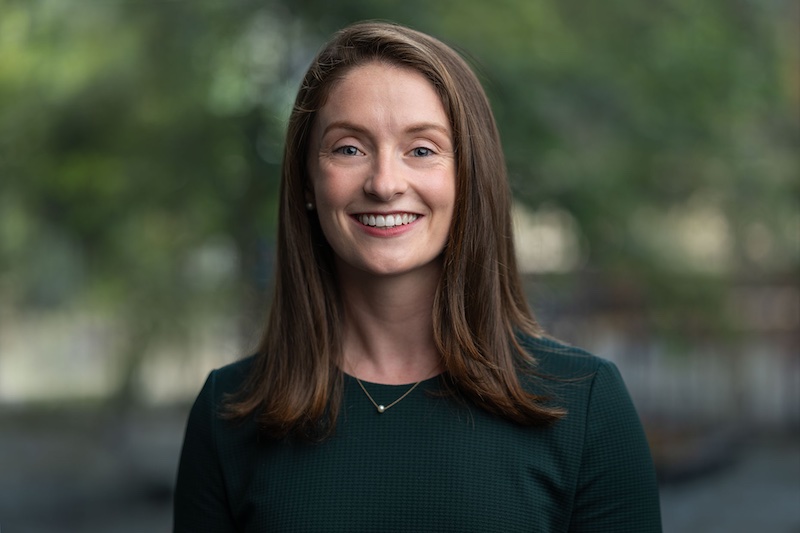
Dr Sarah Lochrin is a Consultant Medical Oncologist, specialising in skin and lung cancers. She joined the St Vincent’s UCD Cancer Centre in November 2025 where she leads a growing portfolio of clinical research studies.
Read the full paper in Nature Medicine.